Sultanahmet
Sultanahmet is Istanbul’s historic core and the most practical base for a first visit lasting two or three days. It suits travelers who want to focus on the city’s essential landmarks without relying heavily on transport. Its main advantage is the compact walking cluster: Hagia Sophia, the Blue Mosque, Basilica Cistern, and Topkapi Palace can be combined in one dense sightseeing route. The trade-off is heavy daytime crowds and a quieter, less varied evening scene.
Attractions in this area
4 places we cover here.
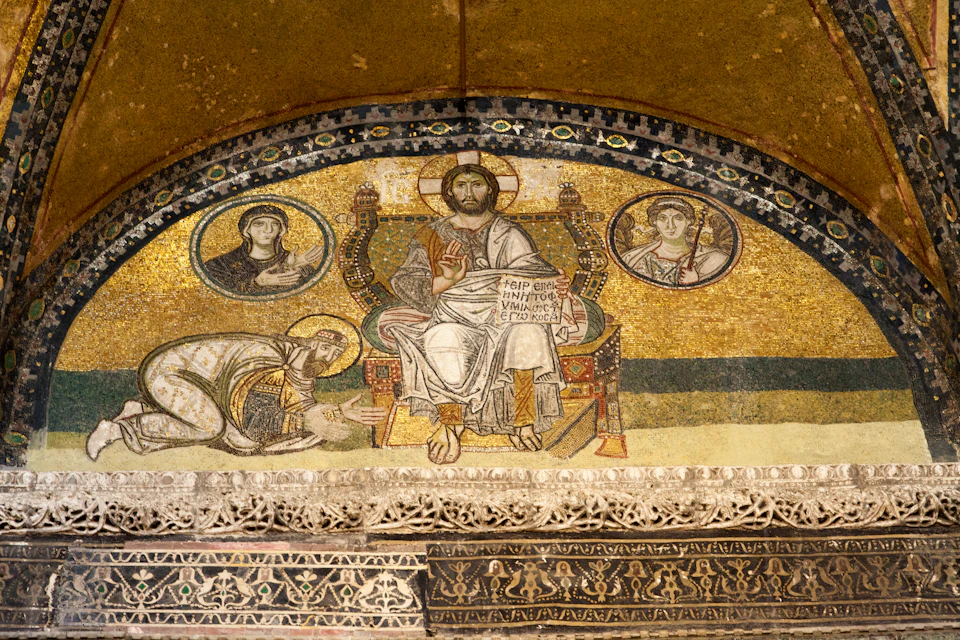
Hagia Sophia offers a singular encounter with Istanbul's imperial history, merging the massive scale of a Byzantine cathedral with centuries of Ottoman layers. ...
The Blue Mosque is worth your time less as a checklist monument than as a working Ottoman mosque that still gives Sultanahmet its living rhythm. Go for the atmo...
Topkapi Palace is the place to come for the scale and court culture of the Ottoman Empire: a long, absorbing museum route through grand courtyards, imperial spa...
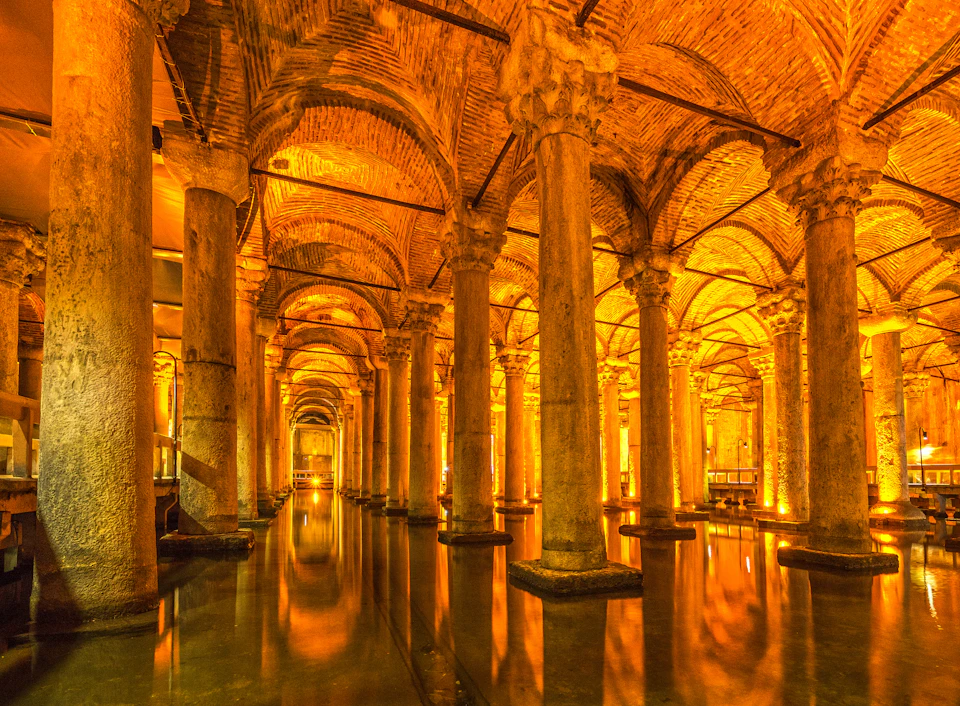
Basilica Cistern is a short, atmospheric underground stop in Sultanahmet, built around dim light, water reflections, and long rows of columns rather than a long...
Sultanahmet feels like an open-air museum threaded through by a constant city flow. Hagia Sophia, the Blue Mosque, the Basilica Cistern and Topkapı Palace sit within one compact walking area, so even a short stroll quickly becomes part of a dense historical route.
The architecture is monumental and layered: domes, minarets, stone façades, courtyards and broad public squares shape the streetscape. Moving between the main sights feels like passing through different chapters of Byzantine and Ottoman Istanbul.
By day, the district is busy, concentrated and highly touristic. The pace is set by sightseeing groups, museum queues and pedestrians crossing between landmarks rather than by the rhythm of an ordinary residential neighbourhood.
After the major sights close, Sultanahmet becomes quieter but also less varied. Its main strength is the intensity and convenience of the historic setting; its main limitation is that the area can feel more like a showcase than a lived-in city quarter.
Atmosphere
Sultanahmet feels monumental at street level, with domes, minarets, stone façades, courtyards and broad squares shaping almost every view. The main pedestrian routes move between Ayasofya, the Blue Mosque, Basilica Cistern and Topkapı Palace, so even a short walk passes through layers of Byzantine and Ottoman history.
The atmosphere is busy and highly visual, with tour groups, independent travellers, families, guides, street vendors and visitors moving between the major sights.
By evening, the crowds thin after the museums and mosques close, but the area rarely becomes completely quiet. You hear tram bells, footsteps on stone, conversations from hotel terraces and the call to prayer carrying between the domes and minarets.
Sultanahmet is atmospheric rather than lively at night: its historic silhouettes remain impressive, while the street scene becomes calmer and less varied than in Istanbul’s more local neighbourhoods.
How to get there
Istanbul Airport (IST) | Direct Havaist bus to Sultanahmet, about 60–90 minutes depending on traffic, ₺380. Sabiha Gökçen Airport (SAW) | M4 Metro to Ayrılık Çeşmesi, Marmaray to Sirkeci, then a short walk, about 75–100 minutes, around ₺220.
Taksim | F1 funicular to Kabataş, then T1 tram to Sultanahmet, about 25–35 minutes, around ₺145 with İstanbulkart. Eminönü or Galata | T1 tram to Sultanahmet from Eminönü, about 10–15 minutes, around ₺72; from nearby Galata, walk to Eminönü first.
Getting around
Sultanahmet is easiest to explore on foot. The main sights sit close together, but expect crowds, uneven paving and frequent pauses around entrances, security checks and busy squares. Walking is usually faster than taking a car between nearby landmarks.
The Sultanahmet and Gülhane tram stops are useful for reaching other parts of the Old City, while the metro is not the practical option inside the main sightseeing cluster. Taxis and taxi apps can help with luggage or longer trips, but traffic, pedestrian streets and road restrictions may make short rides slow and inconvenient.
Best time to visit
The best time to explore Sultanahmet is early in the morning, when the main sights and connecting streets are generally calmer and the summer heat is still manageable. Start early on weekends and during the high season, then take a break around midday, when crowds and temperatures peak.
Late afternoon works well for a slower architectural walk, but evening is quieter and less eventful after the museums close.
Top attractions in this area
Hagia Sophia | A landmark of Byzantine and Ottoman history, known for its monumental dome, layered interiors and central place in Istanbul’s old city. Blue Mosque | An active historic mosque with six minarets and a richly decorated interior, facing Hagia Sophia across Sultanahmet Square.
Basilica Cistern | An atmospheric underground reservoir with rows of columns, offering a cool and memorable break from the busy streets above. Topkapı Palace | The former Ottoman palace complex with courtyards, collections and panoramic views across the Bosphorus and Golden Horn.
Sultanahmet Square | The district’s main public space and the natural starting point for a walking route between its most important landmarks.
Where to stay
Sultanahmet is dominated by mid-range and higher mid-range hotels, with many properties charging a premium for being within walking distance of the main historical sights.
The area includes compact boutique hotels in restored historic buildings, as well as a smaller number of larger full-service or international-style hotels. Budget options exist, but the best value is often found slightly farther from the main square and tram stops.
When choosing where to stay, prioritise walking distance, sound insulation and easy access to the Sultanahmet Tram or Gülhane Tram.
A boutique hotel suits travellers who want historic surroundings and a more intimate atmosphere, while a larger chain-style property may offer more predictable services, lifts and facilities. Premium rates are most justified when the location saves time on a short 2–3-day trip.
Dining
Sultanahmet’s dining scene is built around practical tourist formats rather than a deep local restaurant culture. Casual dining dominates, with Turkish breakfasts, kebabs, pide, meze, grilled dishes and simple seafood appearing on menus aimed at visitors.
Small eateries and takeaway counters work well between sights, while nearby food-court-style options offer a quicker, more budget-friendly meal. Opening hours generally follow the sightseeing day, so the widest choice is available from late morning through dinner, with fewer options late at night.
Prices range from relatively accessible at takeaway counters and basic casual restaurants to noticeably higher in venues with rooftop views, hotel settings or a more polished service style.
Fine dining is limited compared with districts such as Beyoğlu or Karaköy and is usually linked to upscale hotels or restaurants focused on the historic setting. Expect a tourist-area premium, especially around the main square and landmark cluster; for better value, move away from the busiest pedestrian routes.
Shopping
Sultanahmet is not a shopping district in the modern retail sense, but it has plenty of small souvenir shops along the main pedestrian routes. Around the Blue Mosque, Arasta Bazaar is the most concentrated shopping spot in the area, with carpets, ceramics, textiles, decorative objects and other traditional Turkish souvenirs.
The streets around Divan Yolu and the main monuments are also lined with shops selling Turkish delight, spices, postcards, jewellery and Istanbul-themed gifts. For a broader market experience, the Grand Bazaar is close enough to reach on foot or by tram, but it is outside Sultanahmet itself.
Practical tips
Dress modestly when visiting mosques: cover shoulders and knees, and bring a scarf if needed | Plan major sights early, as queues and foot traffic build quickly during the day | Check prayer times and visitor rules before entering active mosques | Wear comfortable shoes: the area is compact but involves long walks on uneven paving | Keep small cash for minor purchases, tips and places where card payment may be less convenient
Safety
Sultanahmet is generally safe for visitors during the day and on the main streets at night, but it is not risk-free. The main everyday concerns are pickpocketing, bag snatching and tourist-oriented scams, especially in crowded areas around the major sights and on public transport.
Keep your phone and wallet secure, be cautious with unsolicited offers, and use ATMs inside banks or shops rather than on the street.
After dark, stay on busy, well-lit routes and avoid quiet parks, empty lanes and poorly lit streets.
As in the rest of Istanbul, demonstrations and large gatherings can develop quickly, while official travel advice also recommends extra awareness in crowded public places because of the wider terrorism threat in Türkiye. Follow local instructions and leave any protest or security incident area calmly.
Photo spots
Hagia Sophia Square | Early morning | Hagia Sophia, the Blue Mosque and the open space between them with fewer crowds
Sultanahmet Park | Late afternoon | The fountains, flower beds and twin silhouettes of Hagia Sophia and the Blue Mosque
Blue Mosque courtyard | Morning or just before sunset | The mosque’s domes, minarets and broad courtyard perspectives
Basilica Cistern entrance area | During the day | The historic street atmosphere around Basilica Cistern and the pedestrian flow between the main sights
Topkapı Palace outer courtyards | Late afternoon | Palace walls, courtyards and distant views towards the Golden Horn and Bosphorus
Nearby neighborhoods
From Sultanahmet, walk north toward Sirkeci and Eminönü for the Spice Bazaar, ferry connections and a busier waterfront atmosphere. Beyazıt and Laleli continue the historic-city route west, with bazaars, mosques and university streets.
For a quieter change of pace, head toward Cankurtaran and the Sea of Marmara shoreline, or continue to Karaköy and Galata by tram and a short walk.
Area pros
Major historic sights are concentrated within one walkable cluster
Easy to plan a first day with little or no transport
Strong base for a focused 2–3 day trip
Efficient route between Hagia Sophia, the Blue Mosque, Basilica Cistern and Topkapi Palace
Area cons
Heavy tourist crowds around the main landmarks. Less comfortable for relaxed strolling during peak hours. Evenings become noticeably quieter after the museums close. Less suitable for a local dining rhythm or a lived-in neighbourhood atmosphere. Accommodation can cost more because of the historic location.