
Georgia Blake
I follow the ferries, market carts, and lunch queues to show you where Istanbul eats when nobody is performing for visitors.
I moved to Istanbul in my late twenties after what was meant to be a short spring stay between freelance assignments, and within weeks my days had started revolving around market hours, ferry timetables, and where to stop for lunch on the walk back uphill. I stayed because the city kept opening up through food rather than spectacle: a bowl of mercimek çorbası before work, a fish sandwich by the water, the rhythm of weekly produce markets changing with the season. Years later, I still measure neighborhoods by what is simmering at noon and what sells out first by evening.
For this site, I cover the everyday food geography of Istanbul: where to eat in Kadıköy without getting pulled into the loudest strip, which lokantas in Fatih or Üsküdar still fill with office workers at lunch, how Beşiktaş market days differ from Feriköy, and when a bakery in Cihangir is worth the queue. I spend a lot of time crossing by vapur, riding Marmaray, and linking tram stops to practical meal stops, because in this city the route matters almost as much as the table. I also write about tea gardens, breakfast salons, meyhanes, produce markets, and the small eating habits that shape local days.
My reporting starts on the ground and usually more than once. I check prices in person, note whether cash or cards are preferred, confirm opening hours directly with staff, and revisit places at different times of day to see whether the crowd changes. If a stall is known for one item, I ask when it is prepared and when it runs out instead of relying on a menu board or a map listing. I cross-check neighborhood market schedules with municipal sources, and if a piece contains a partner link or booking link, I label it clearly so readers know what is editorial reporting and what is commercial support.
I write for English-speaking readers who want more than a list of famous stops and photogenic plates. Istanbul can be easy to misread if you do not know the difference between a place that is busy because it is central and a place that is busy because nearby residents return every week. My angle helps you understand how to eat with the city rather than beside it: when to go, what to order without overcomplicating it, how far to travel for one dish, and when a simple corner lokanta will give you a clearer sense of Istanbul than a polished dining room ever could.
Material by this author
3 items
Где остановиться в Стамбуле: Sultanahmet, Karaköy, Beyoğlu или Kadıköy
Подробный разбор районов Стамбула под первую поездку, живой вечер, мягкую логистику и спокойный ритм города.
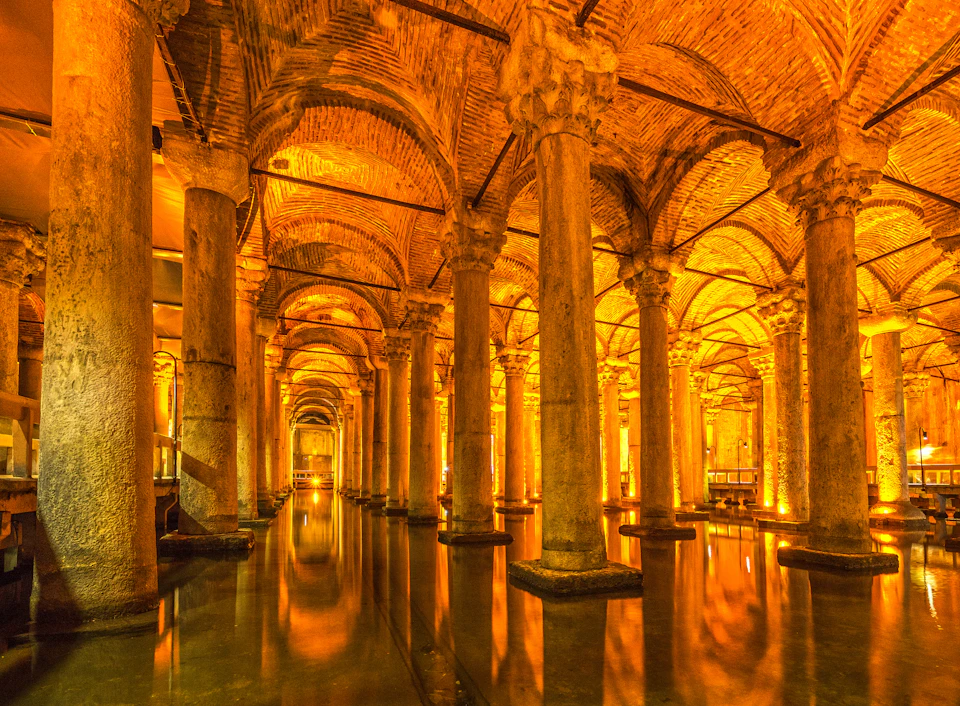
Цистерна Базилика
Цистерна Базилика — это короткий, но очень выразительный подземный визит ради отражений в воде, ровных рядов колонн и редкого для Султанахмета ощущения тишины и полумрака. Сюда идут не за большим маршрутом, а за атмосферой и сильным визуальным контрастом между главными памятниками района. Лучше всего место подходит тем, кто любит фактуру, свет и фото; при жёстком бюджете и нелюбви к тесным тёмным пространствам его можно спокойно пропустить.
Прогулка по Босфору
Прогулка по Босфору — один из самых простых способов быстро понять масштаб Стамбула: за 1–2.5 часа город раскрывается с воды как цепь дворцов, холмов, мечетей и жилых берегов, а заодно даёт паузу от музеев и длинных подъёмов. Формат особенно удачен для первой поездки, семей и тех, кто устал ходить пешком; городской паром от 150 TRY даёт лучшую базовую ценность, а смысл переплачивать есть в основном за более длинный маршрут или вечерний свет при большем количестве людей.